Retail Partner Enablement Program
Client
Leading Semiconductor Manufacturer
TL;DR
A seasonal training kit built for major electronics retailers and OEM partners, translating dense technical chip information into presentation decks their sales teams could actually use. After two seasons on a three-designer team, I became the sole designer on the account for the next three years.
-
Build a seasonal training toolkit that helped retail sales teams and OEM partners (major electronics retailers alongside vendors like Dell, Samsung, HP, and Lenovo) understand and sell the client's newest processor lineup, translating dense technical content into presentation decks that stayed on-brand and easy to use at the point of sale.
-
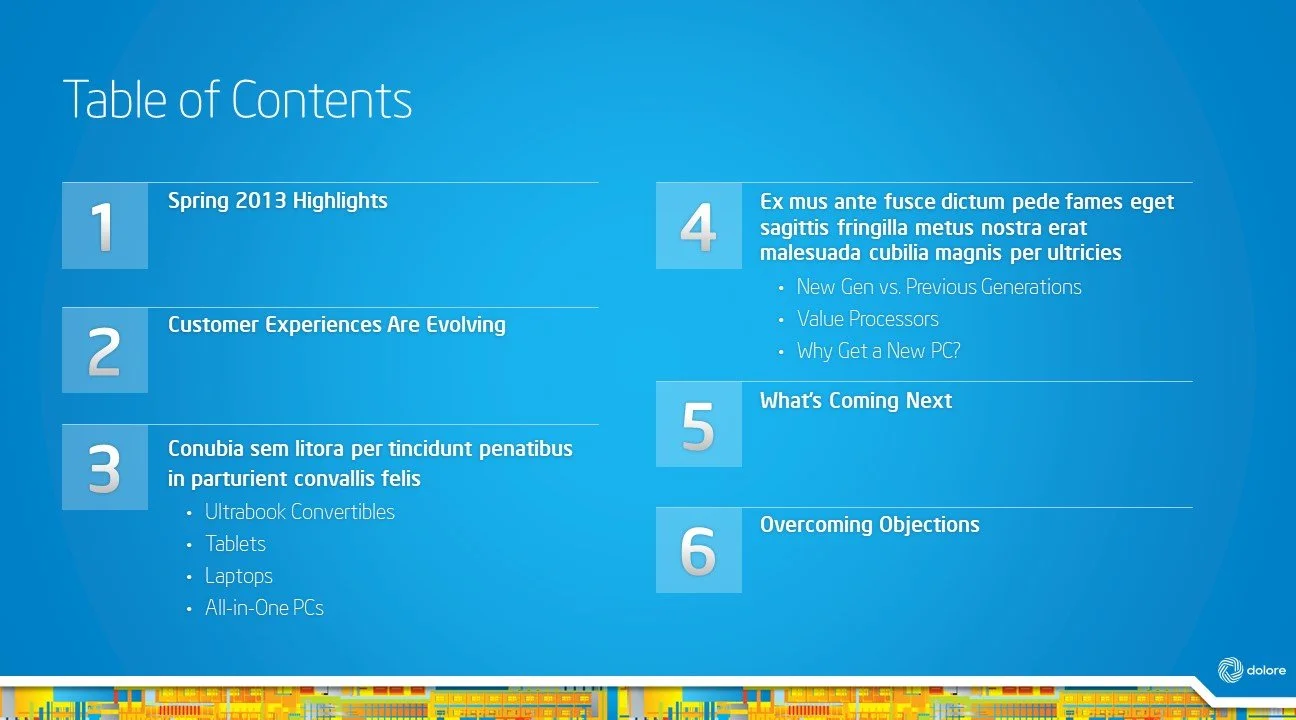
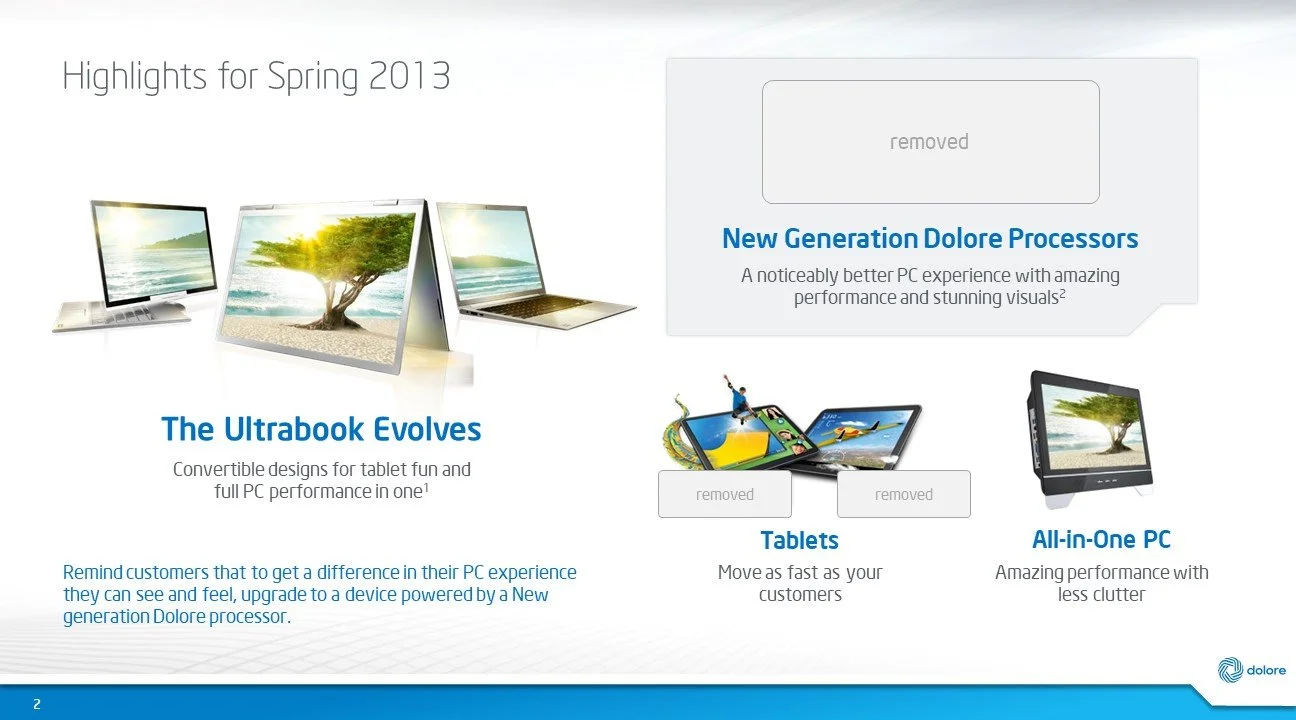
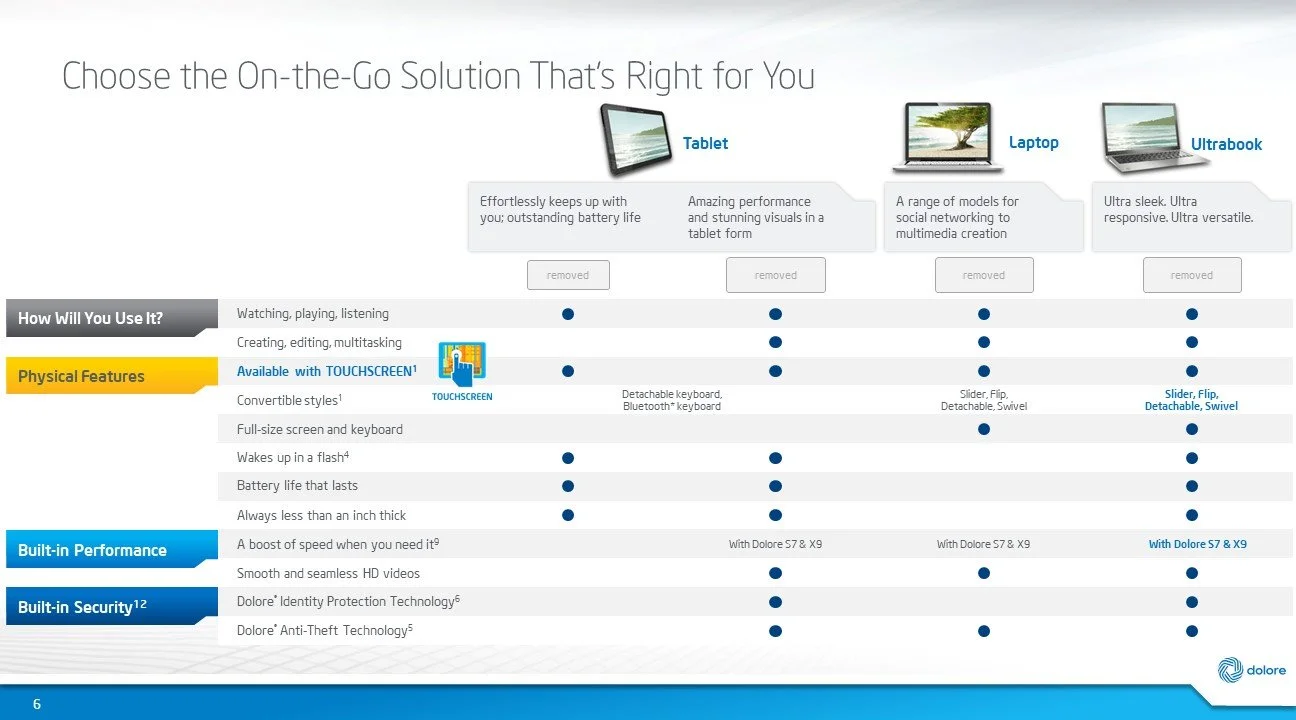
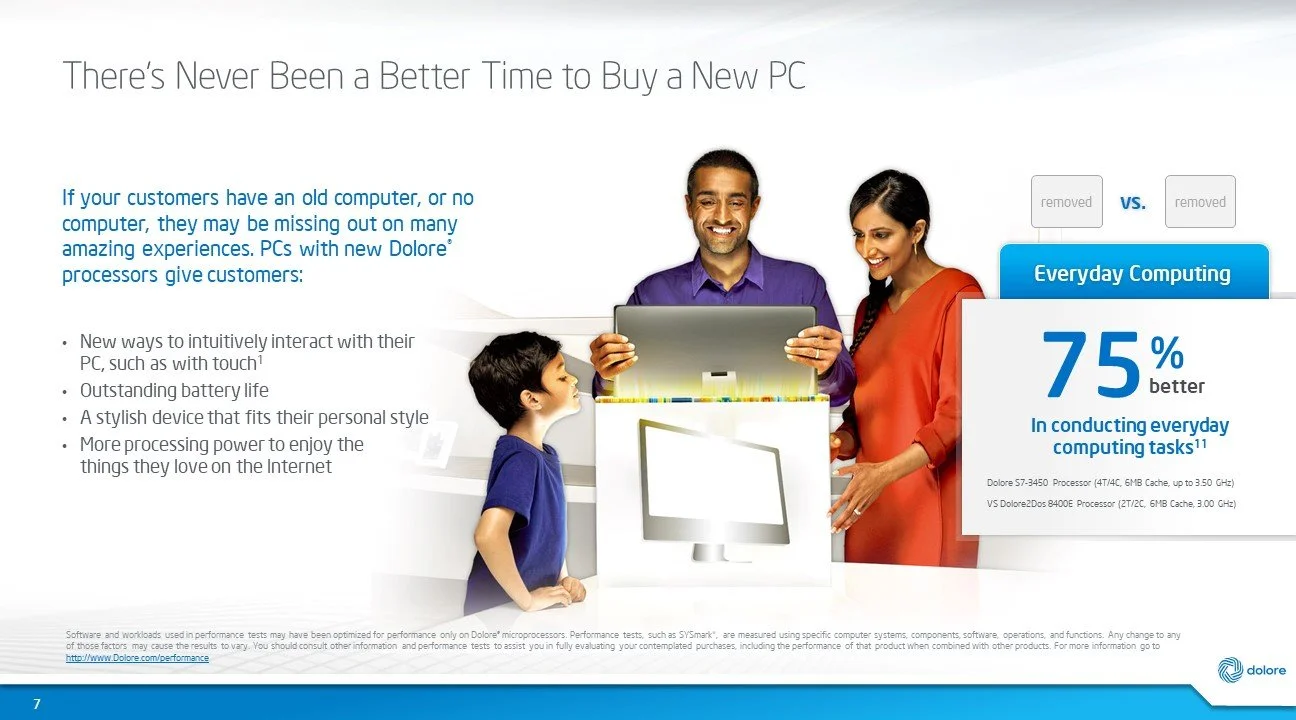
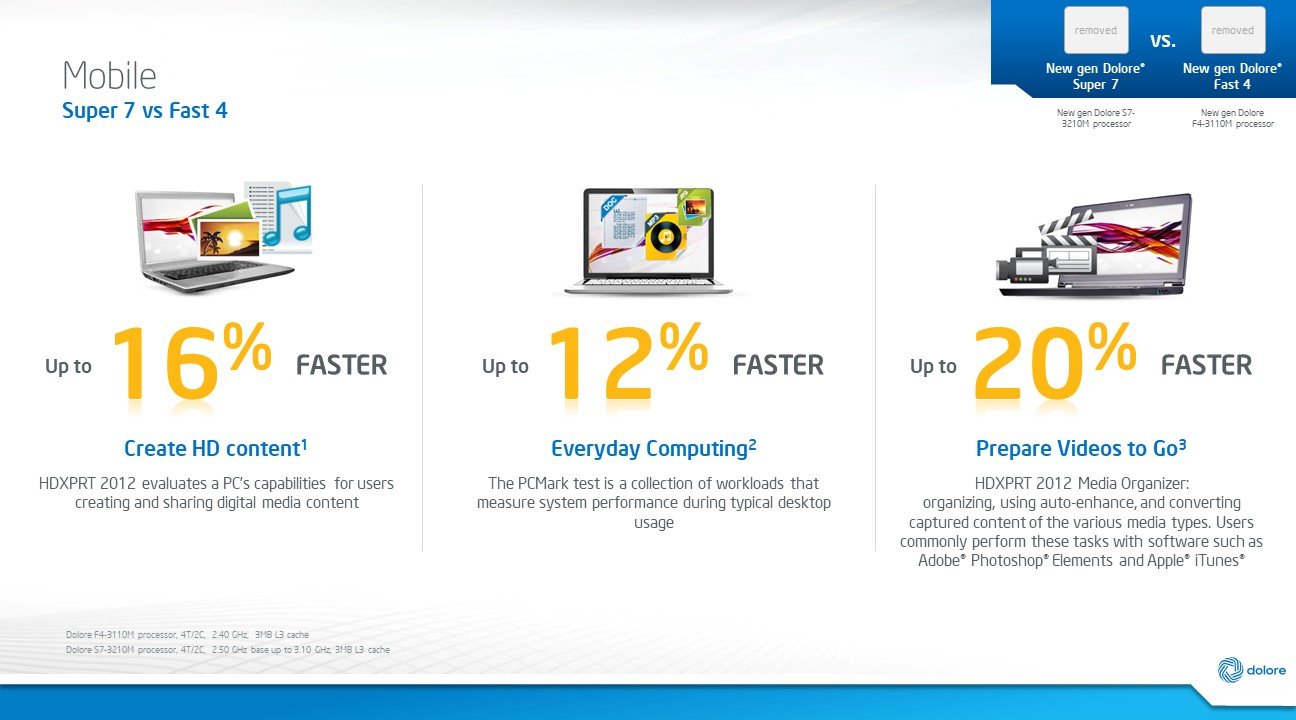
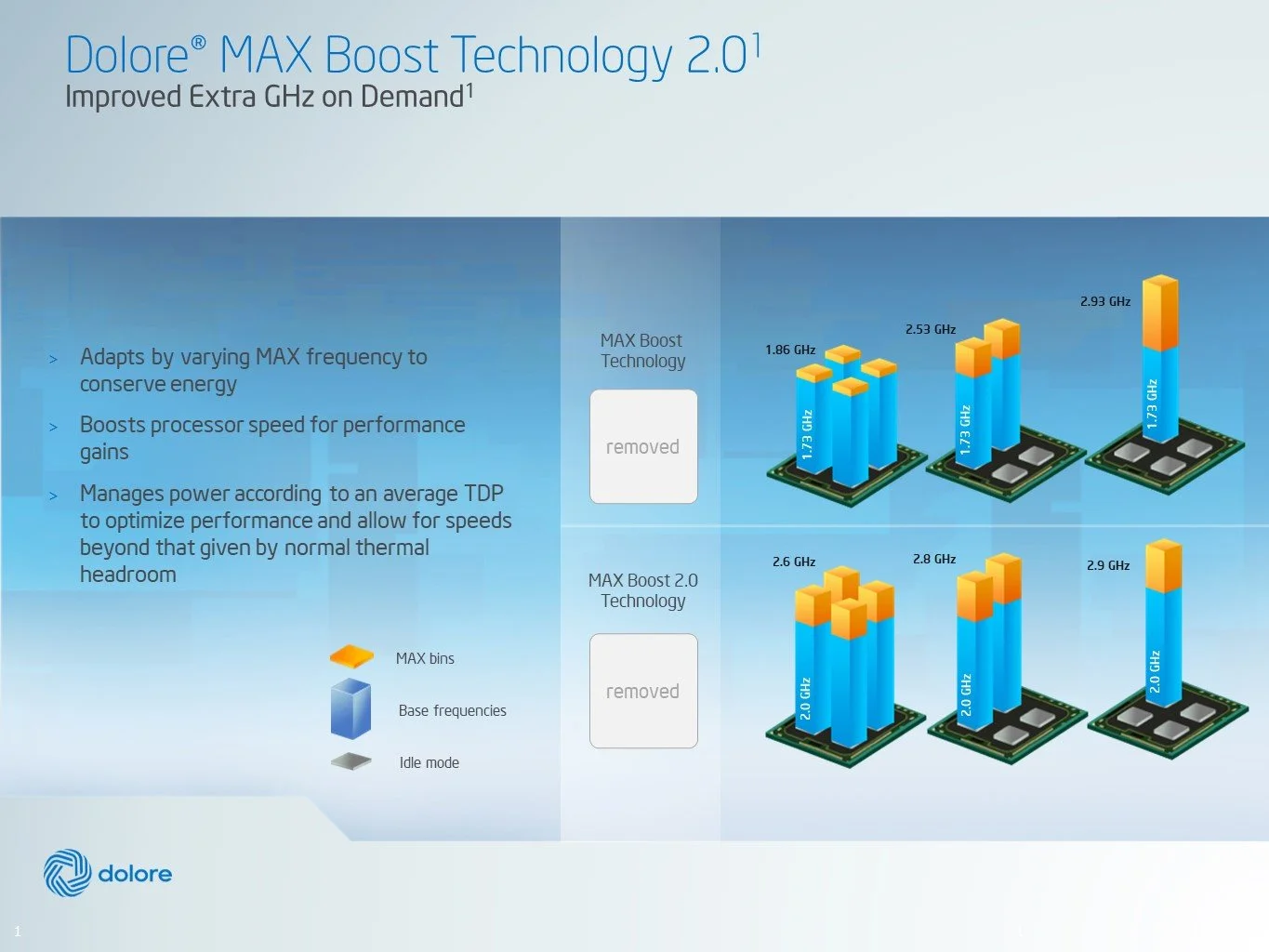
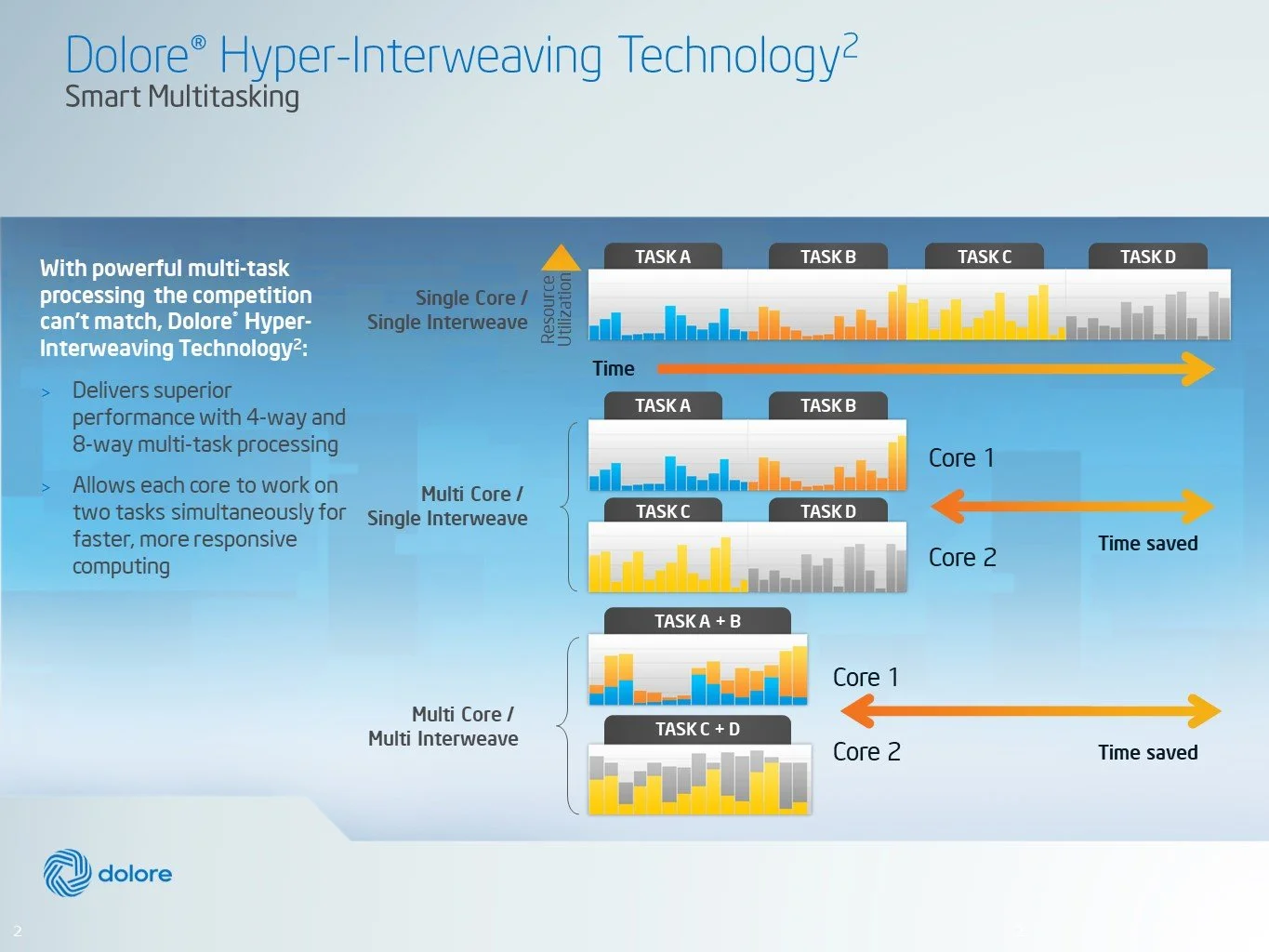
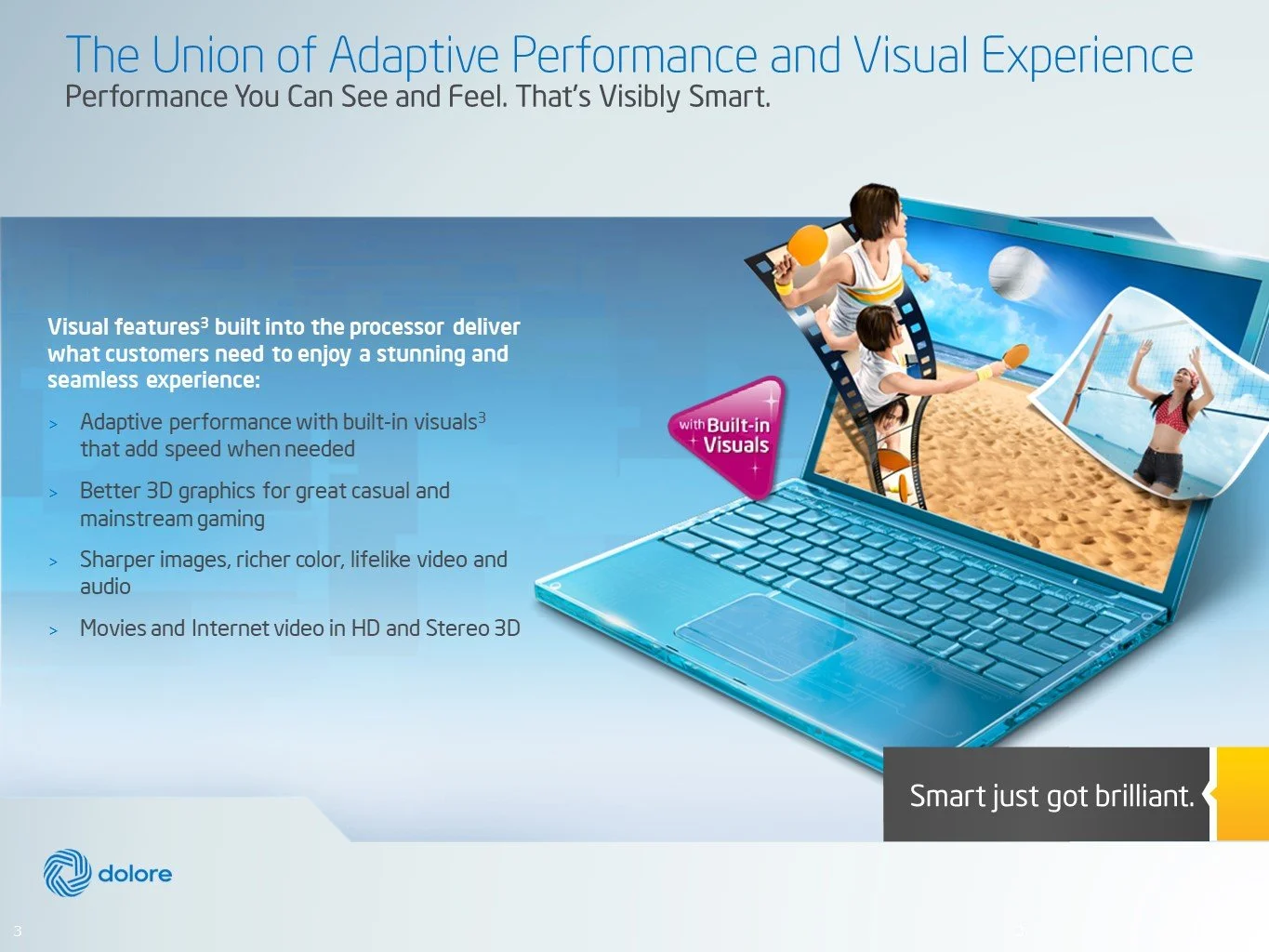
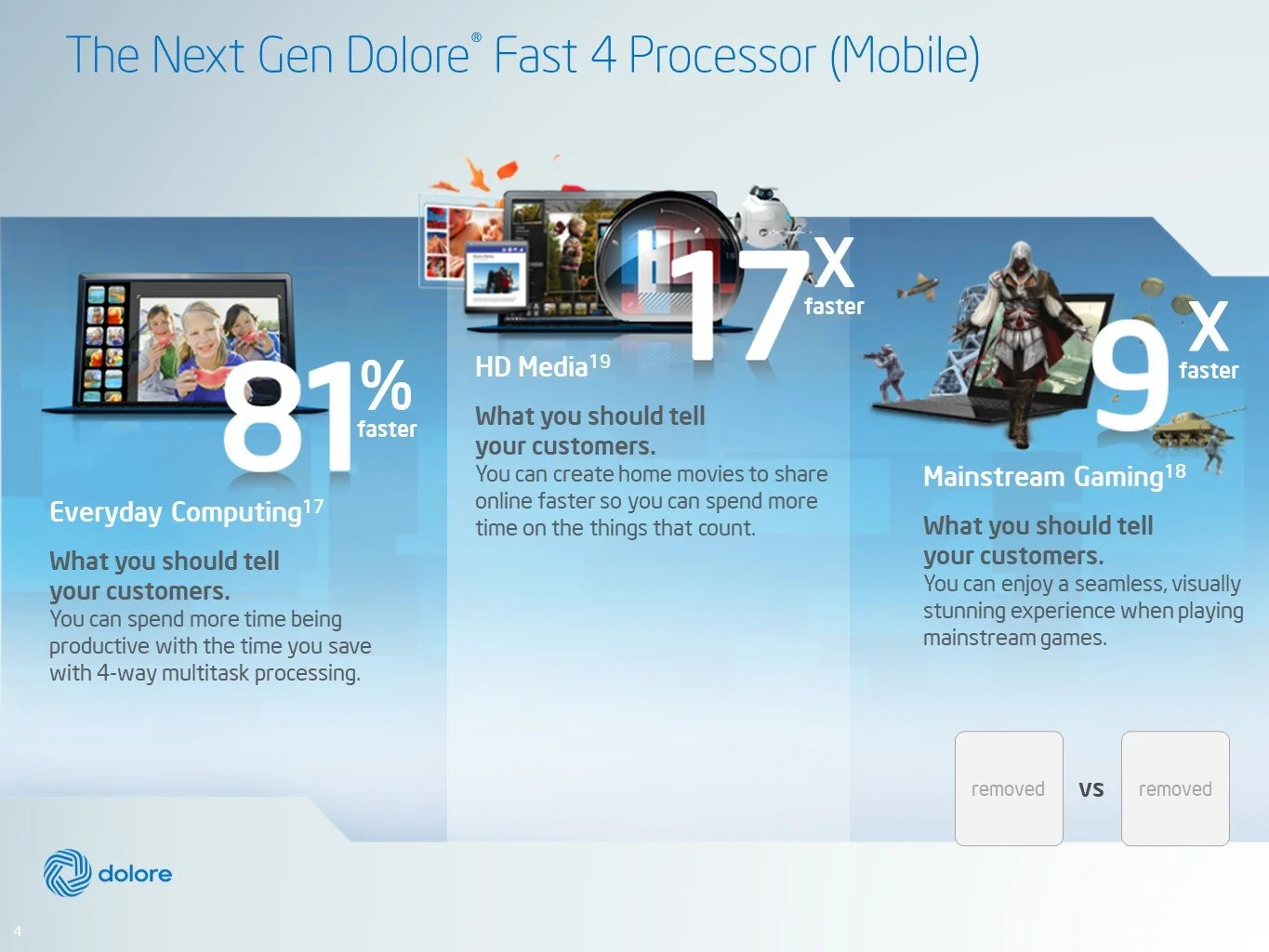
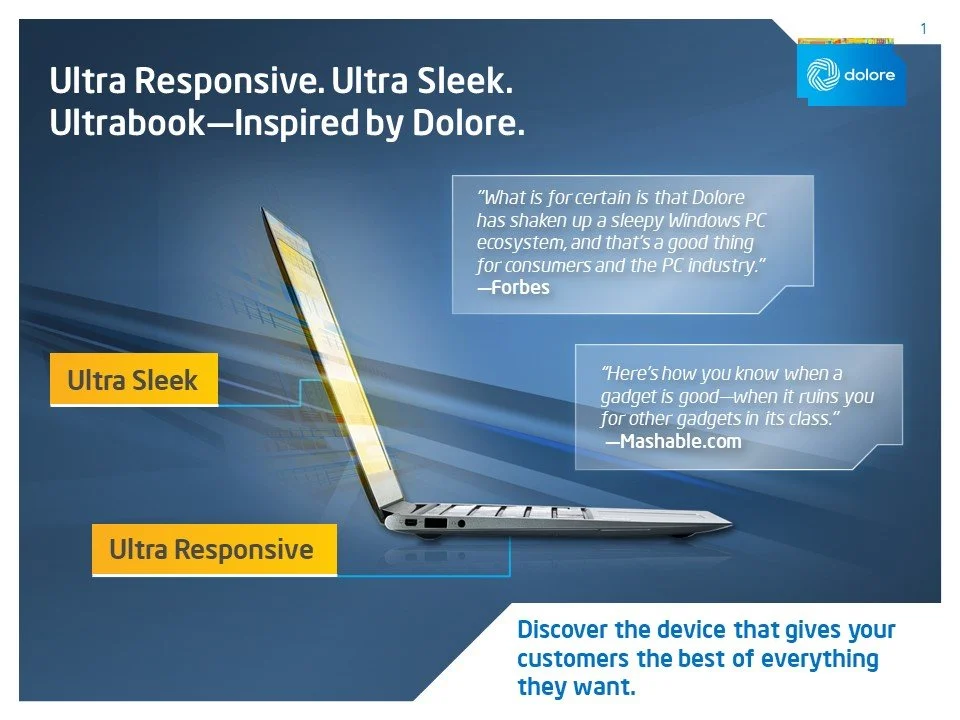
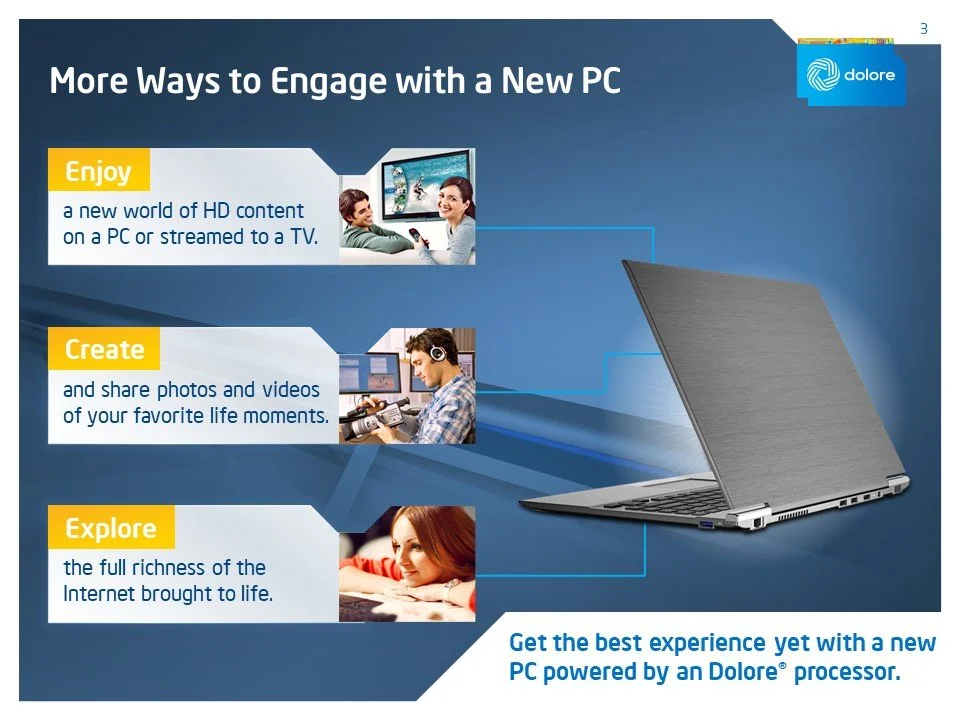
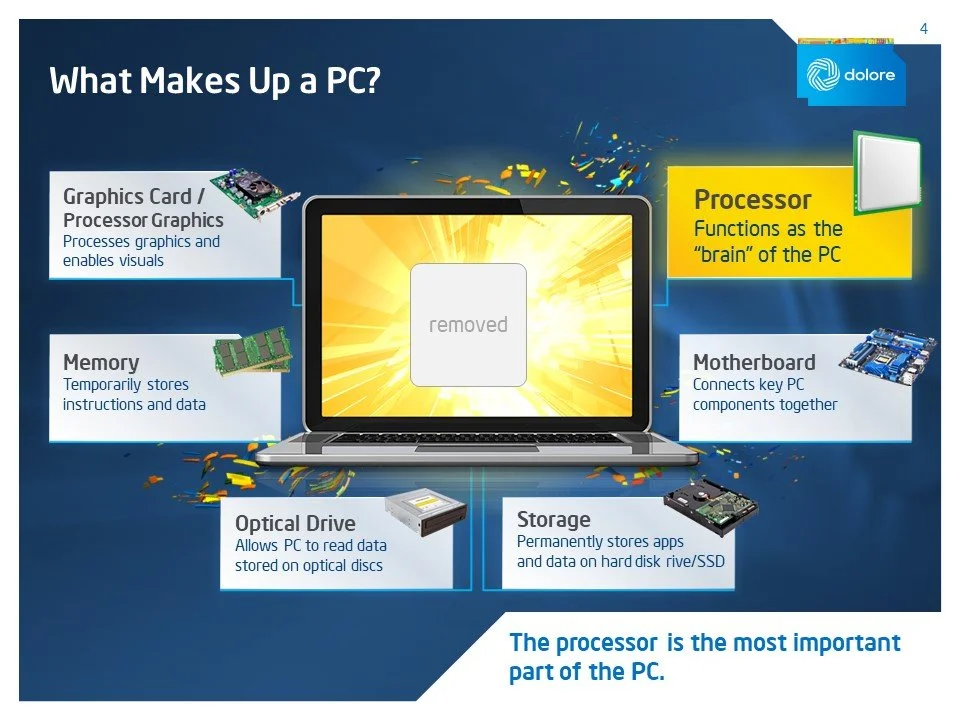
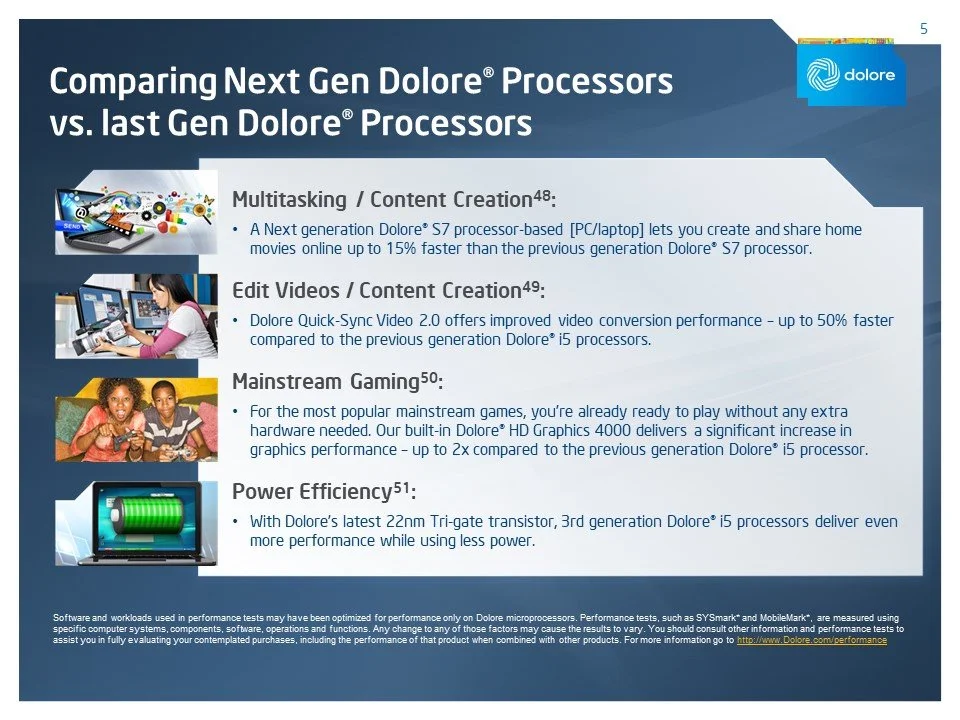
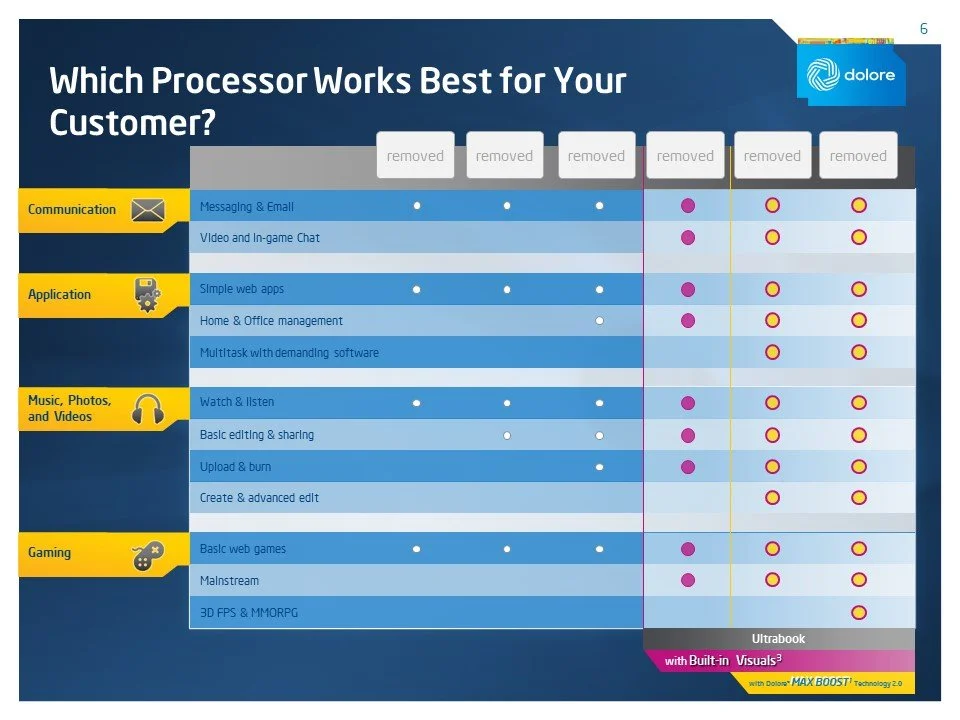
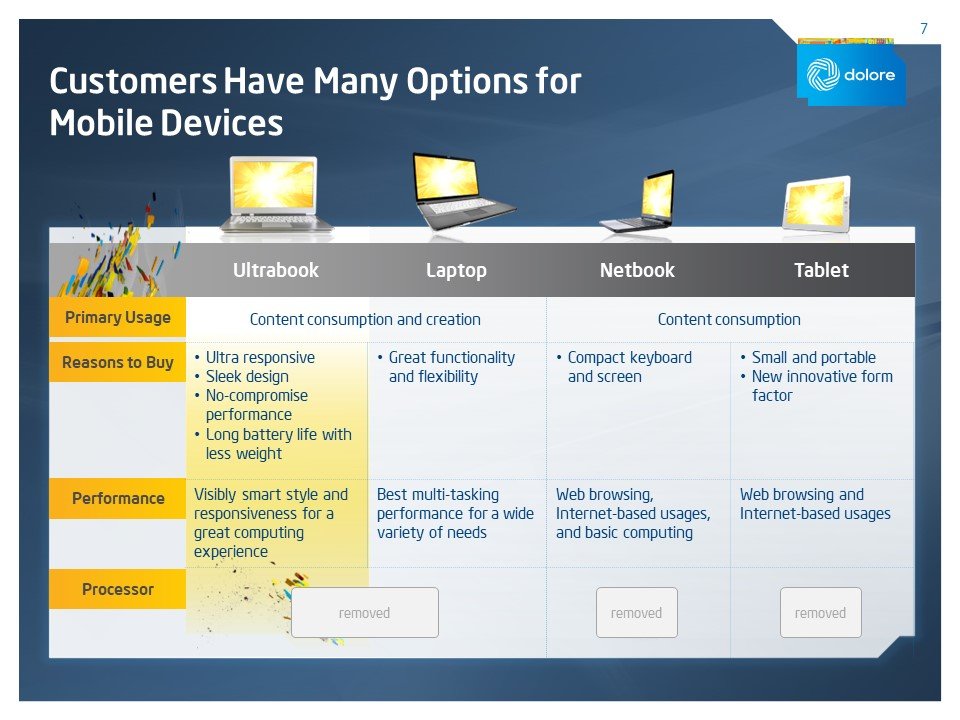
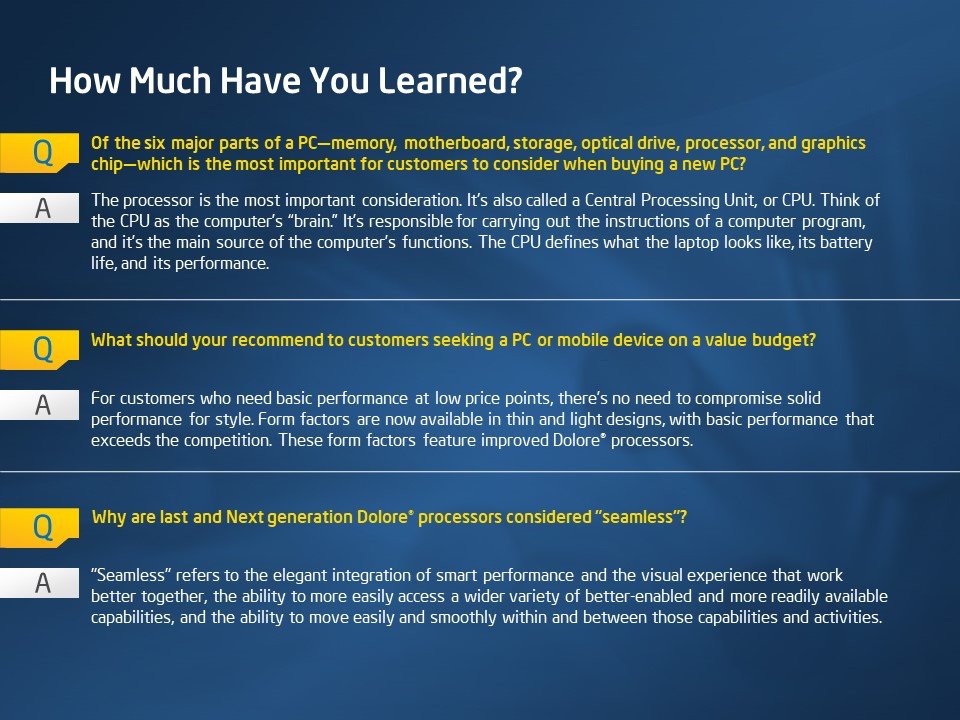
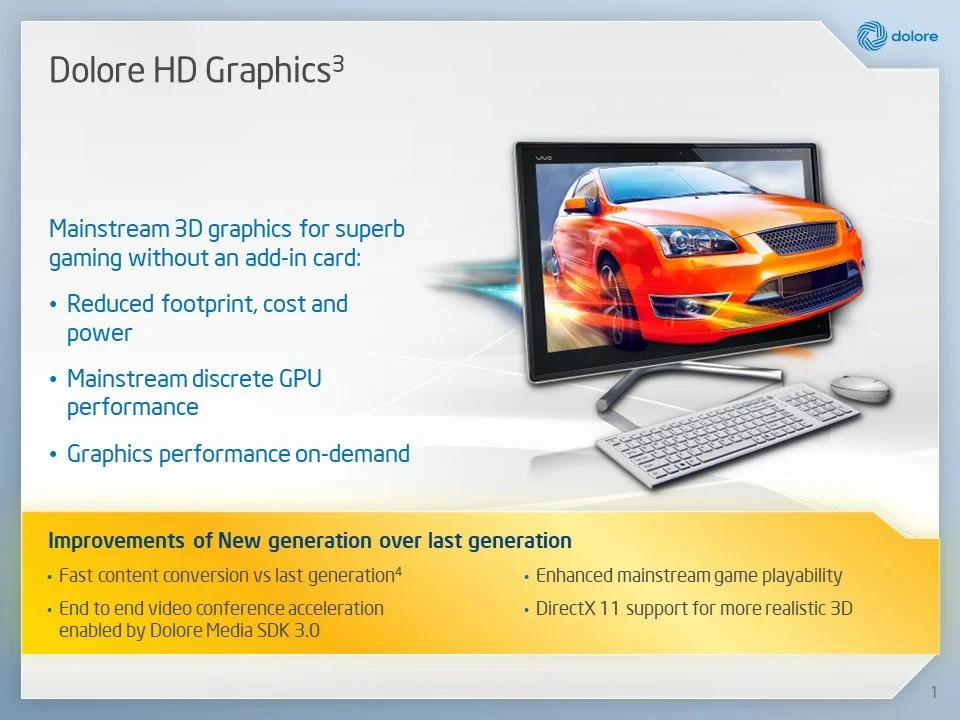
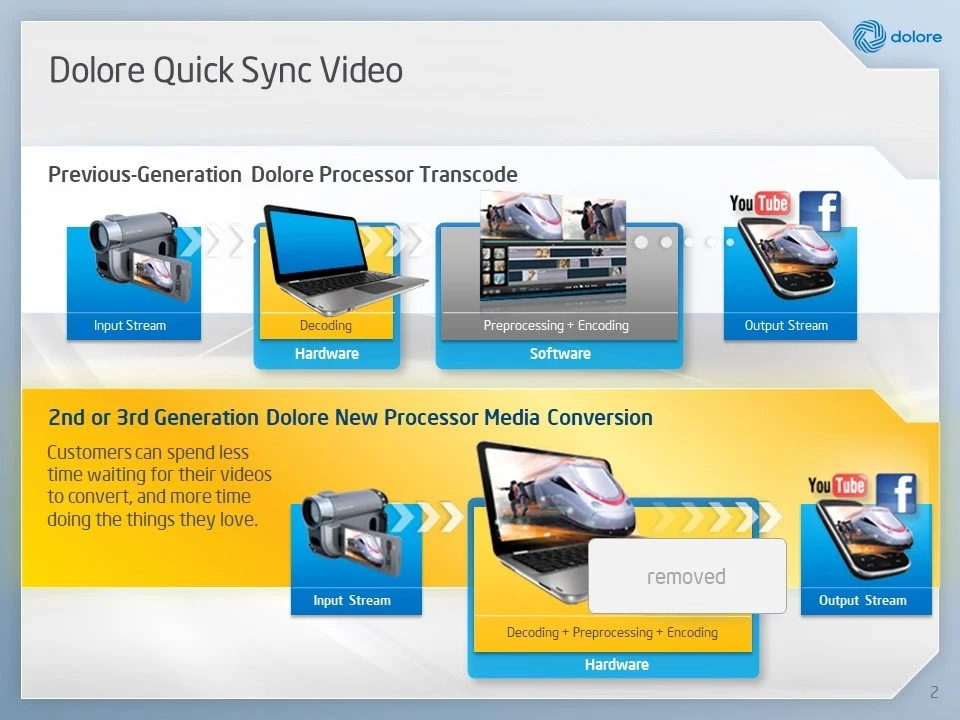
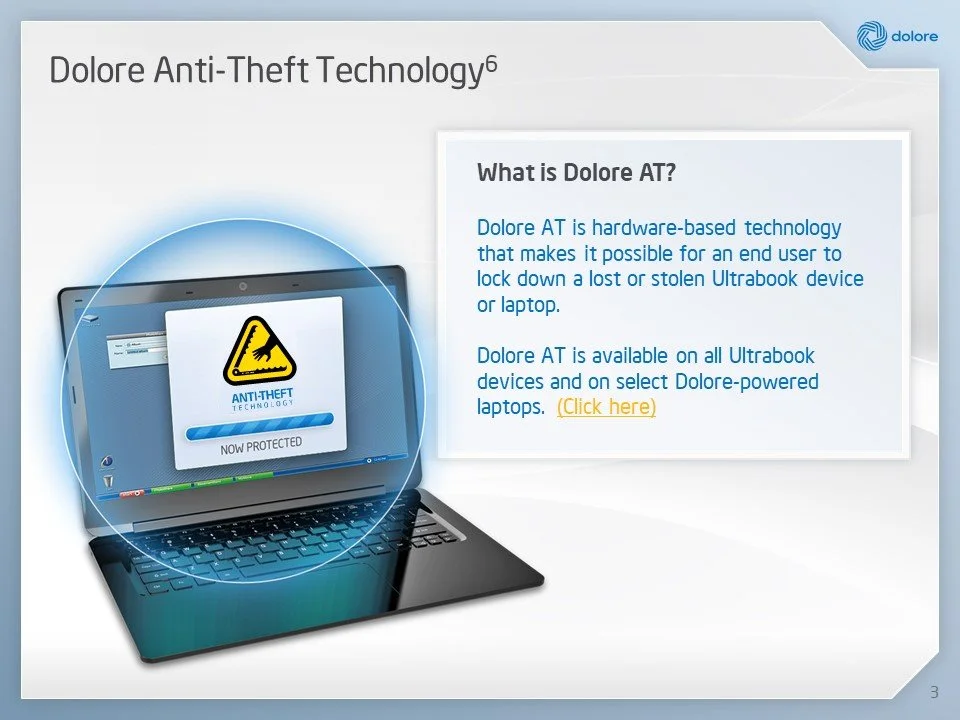
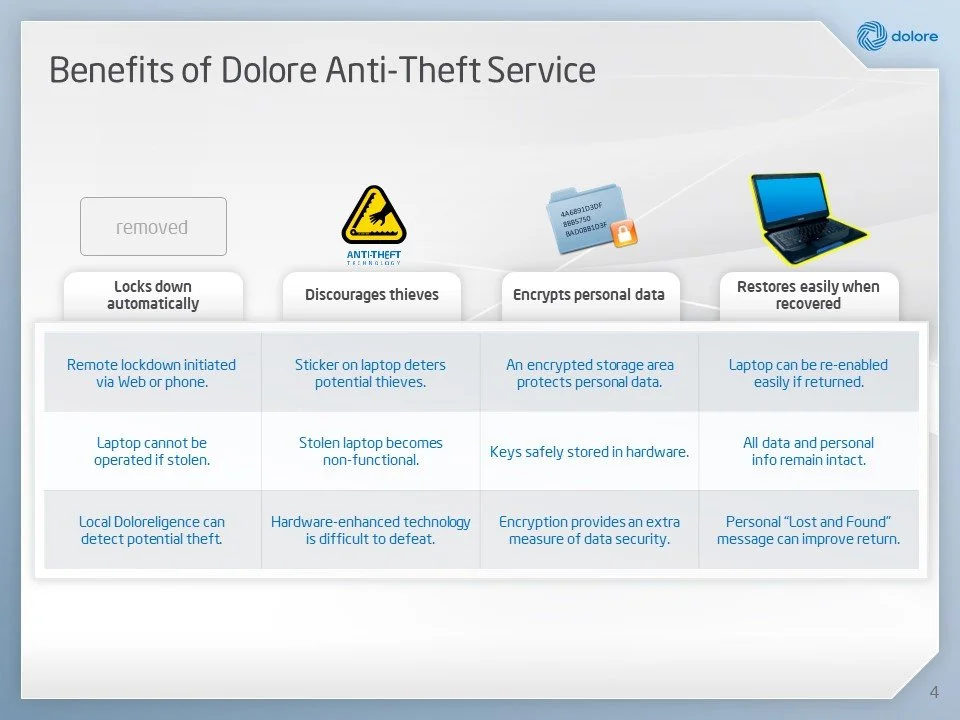
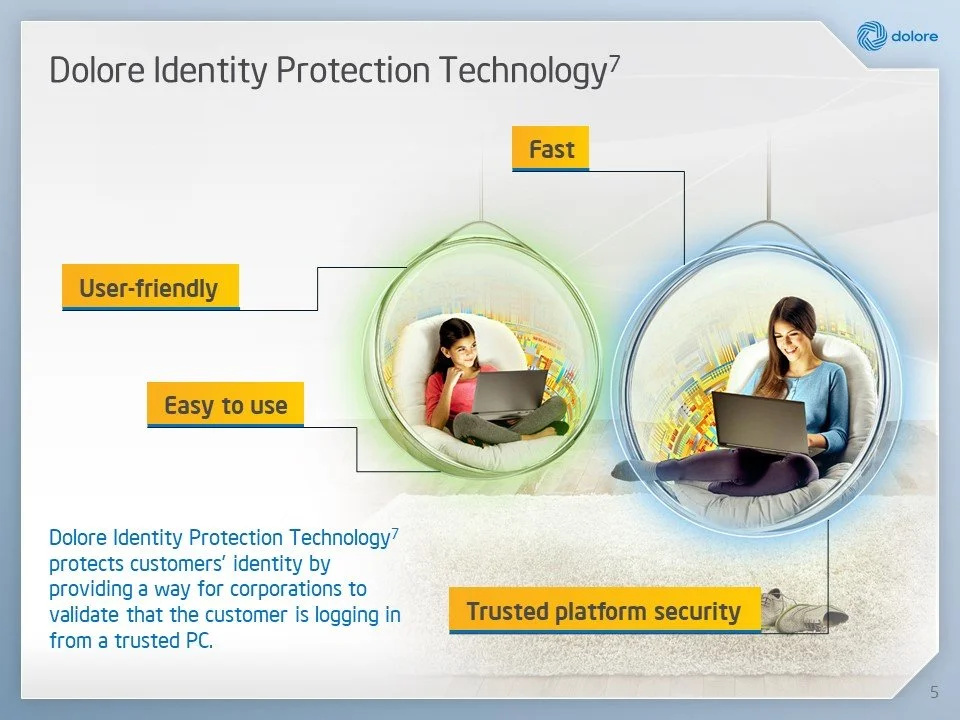
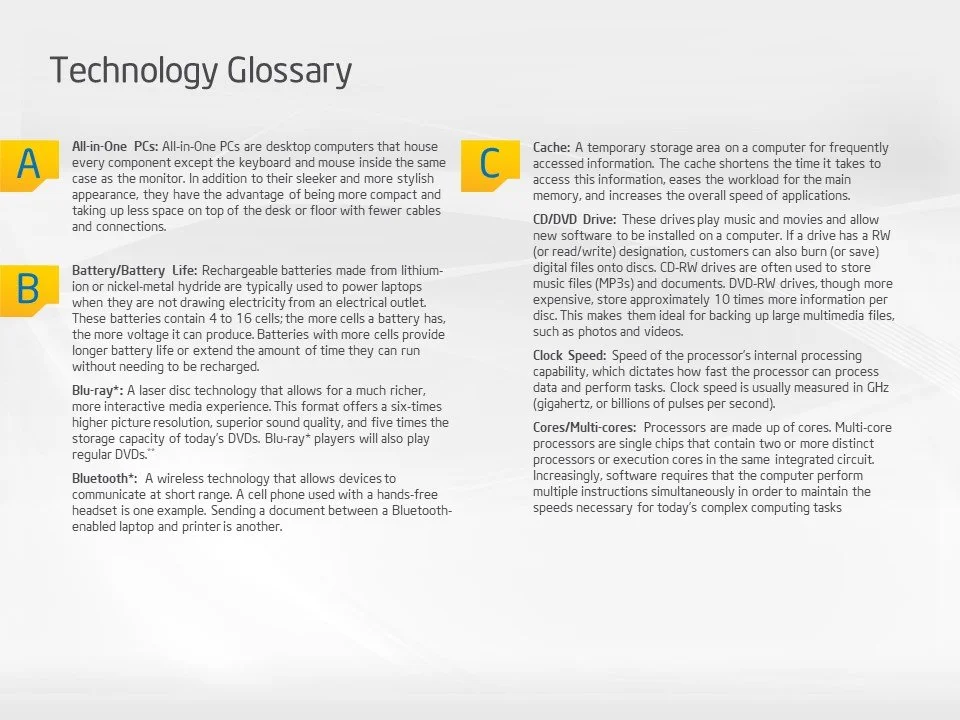
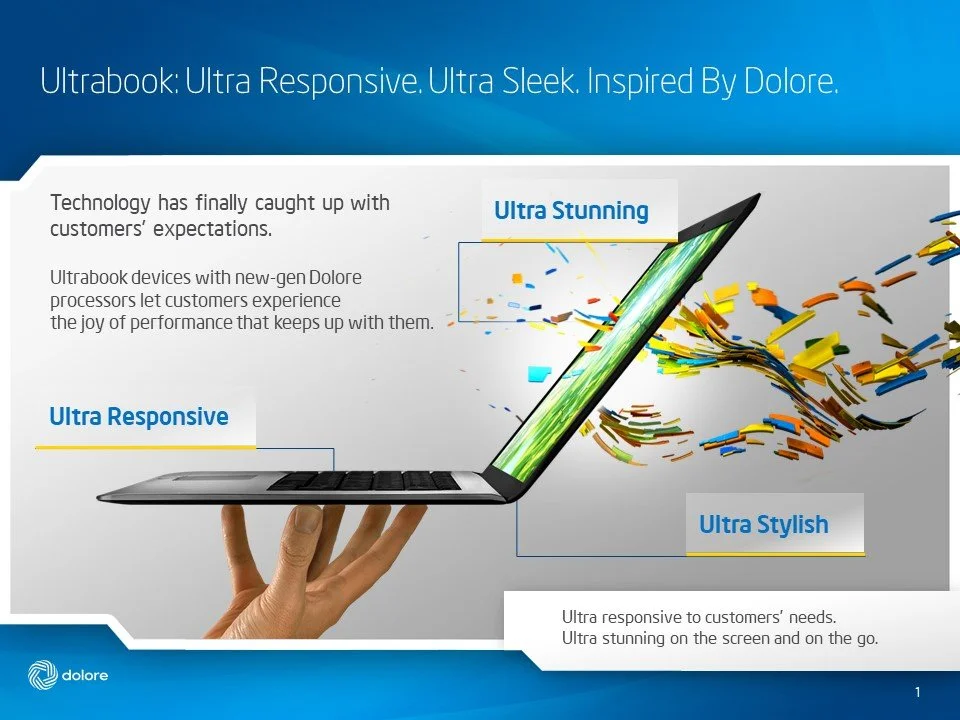
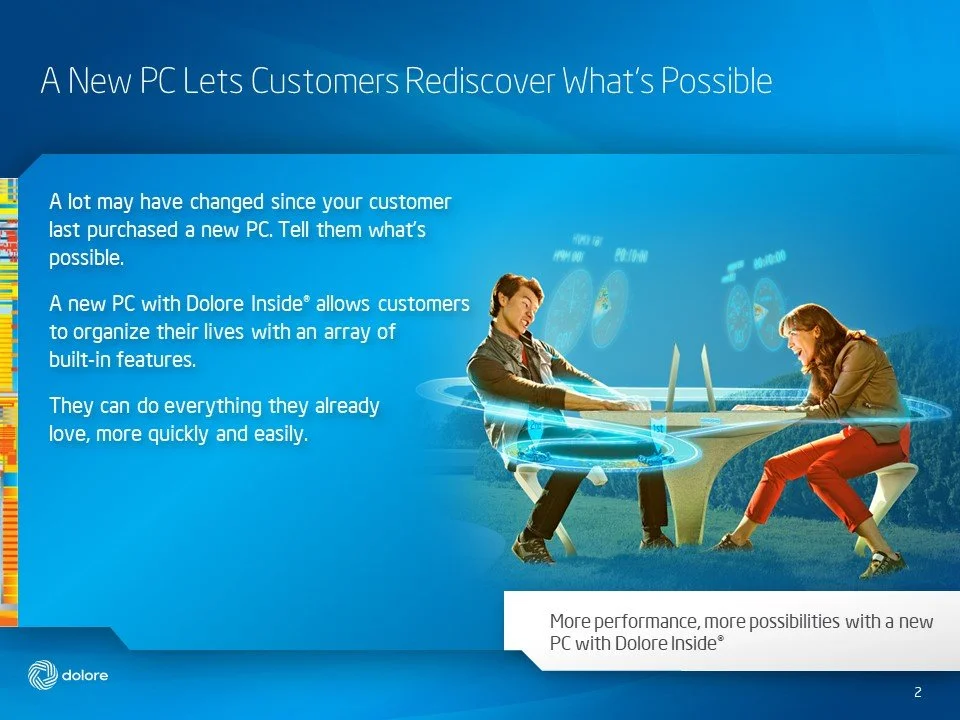
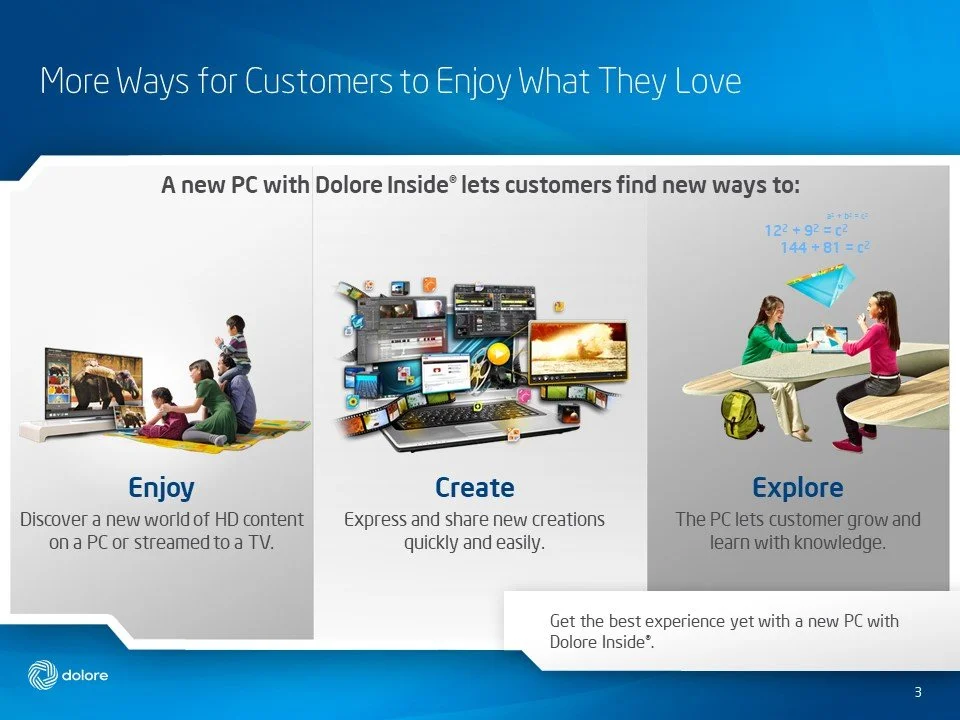
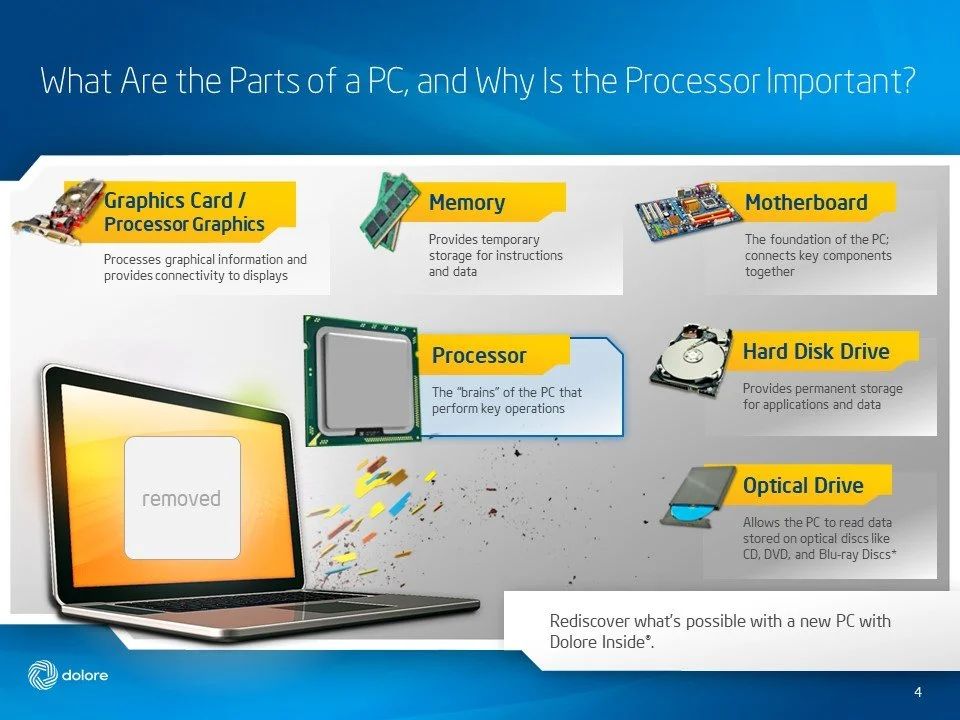
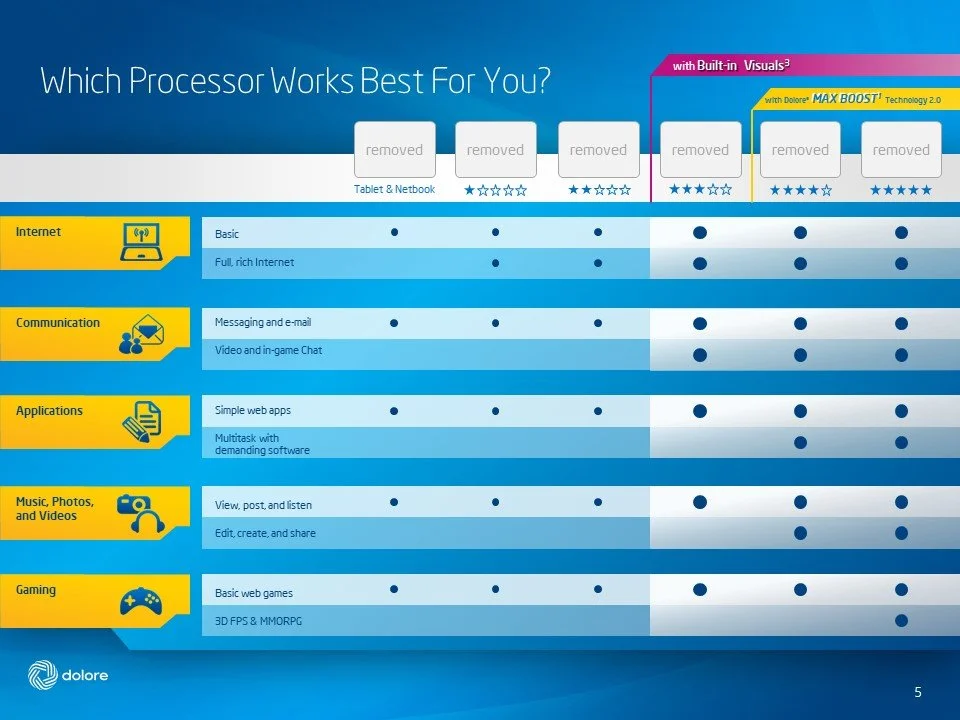
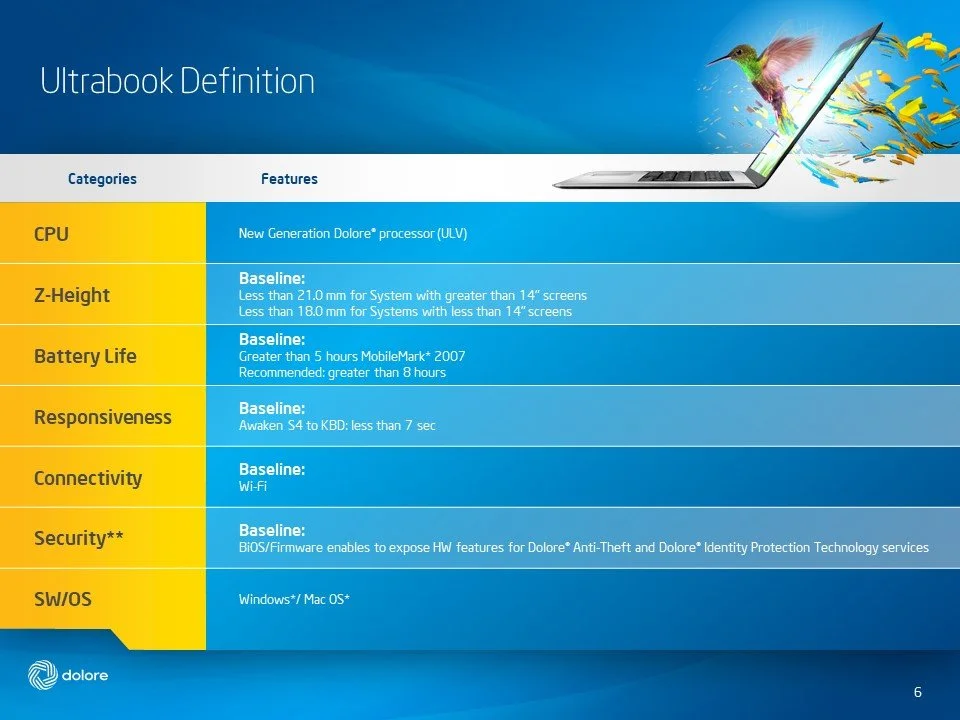
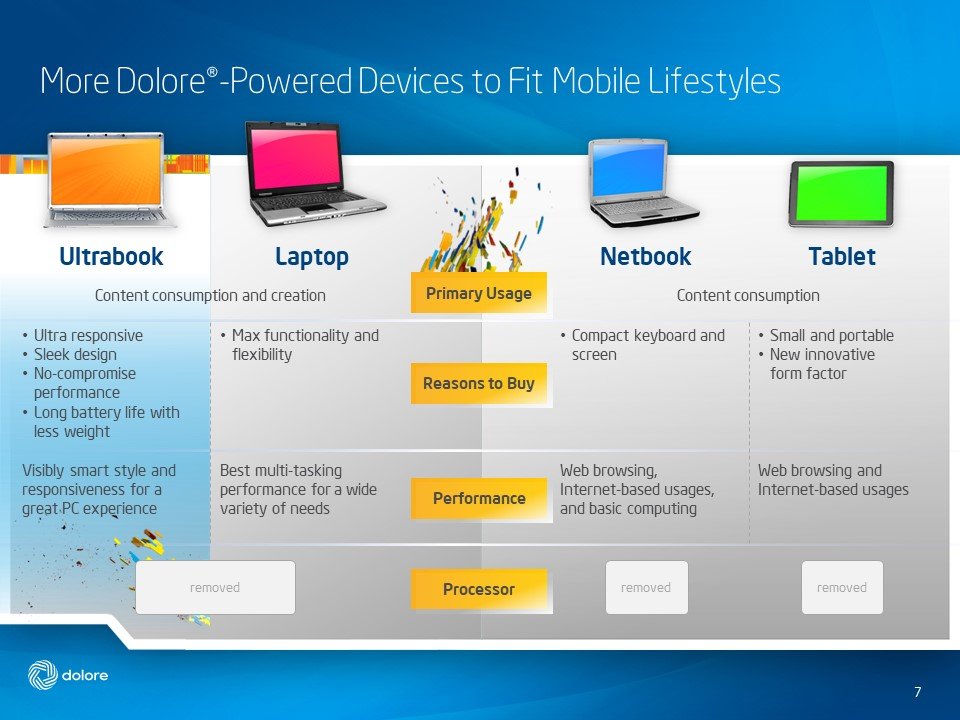
Designed eight individualized presentation decks each season, covering laptops, desktops, ultrabooks, all-in-ones, and mobile platforms, plus overview, competitive positioning, and retail program decks.
Built a seasonal campaign template from scratch each cycle, then maintained visual consistency across all eight decks while adapting content and structure to that season's product lineup.
Supplied supporting campaign graphics to the motion graphics animator building companion training videos.
After two seasons on a three-designer team, took over the account solo based on consistent, reliable execution, running every aspect of design from template concept through final delivery for the next three years.
-
The client's stakeholders, up through their CEO, relayed direct praise for the work back through leadership. The kit ran as an ongoing seasonal program for three years, becoming the retained in-house standard for how the client trained its retail and OEM partners each cycle.
The Full Story
Purpose
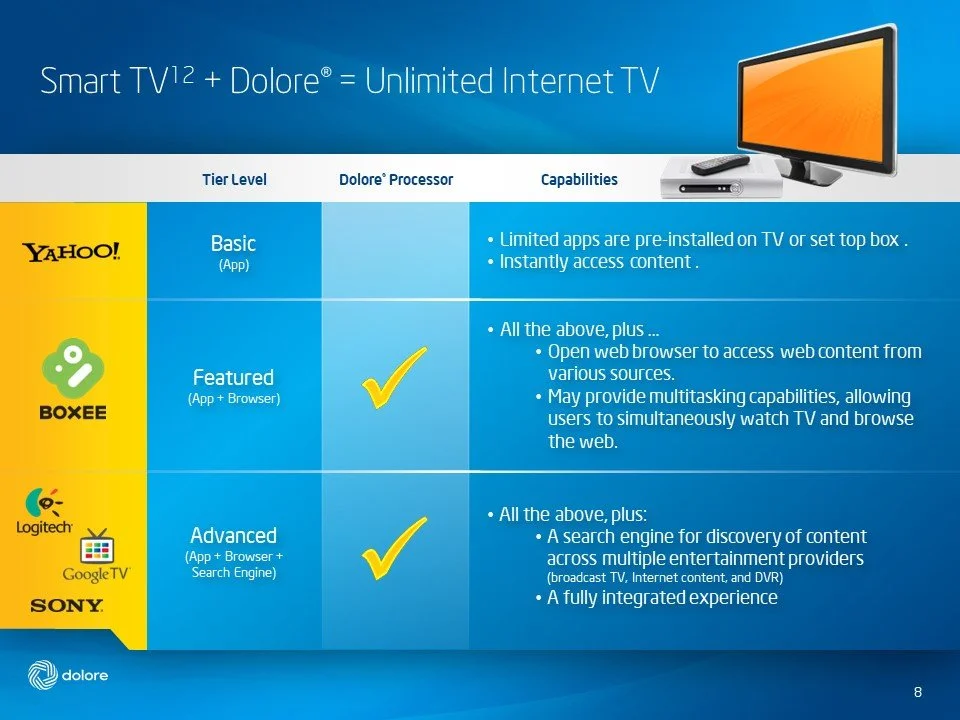
This project built seasonal training materials for the client's processor releases, aimed at educating their retail service providers, major electronics retailers and OEM partners like Dell, Samsung, HP, and Lenovo, on the products they'd be selling. The core deliverable was a set of presentation decks paired with instructional animation videos, dense with content, charts, and product detail, but built to stay digestible for retail sales teams working across a wide range of devices and store environments.
Workflow
Each season ran on roughly a four-month timeline from kickoff to delivery. Early on, I was one of three designers, each developing a seasonal campaign template for the client to review and select from. Once a template was chosen, the design team built out content and storyboards for the accompanying animation videos, supplying the animator with supporting graphics throughout. Decks were split by device category, laptops, desktops, ultrabooks, all-in-ones, and mobile, with additional decks covering overviews, competitive positioning, and internal retail programs, eight decks total each season.
Challenges
The main challenge was volume without losing quality: producing eight visually distinct decks a season that all needed to look identical in style while carrying different, season-specific content. Content often came from the client and copywriting simultaneously, requiring tight coordination to hit milestones, and each new processor generation tended to shift scope mid-cycle as the client's own roadmap evolved, without moving the deadline.
Solutions
Staying disciplined about milestone check-ins kept the seasonal cycles on track even as scope shifted underneath them. When the workload demanded it, that meant occasional after-hours and weekend coverage to protect delivery dates. After two seasons, my project manager, Director, and CEO shifted the account to me solo, based on the consistency of what I'd delivered as part of the three-designer team. From there, I owned every stage, from initial template concept through final asset delivery, and ran a quality pass on each deck checking fonts, copy placement, and brand consistency before every client milestone.
Conclusion
I ran this account solo for three years following two four-month seasons as part of a larger team, roughly three and a half years total. The client's stakeholders were impressed enough with the work that word reached their CEO directly, who relayed it back through our leadership. The seasonal kit became the client's retained in-house standard for training their retail and OEM partners on new product launches, a program that ran consistently across that span.
Season 1.
Season 2.

Season 3.

Season 4.
Season 5.